
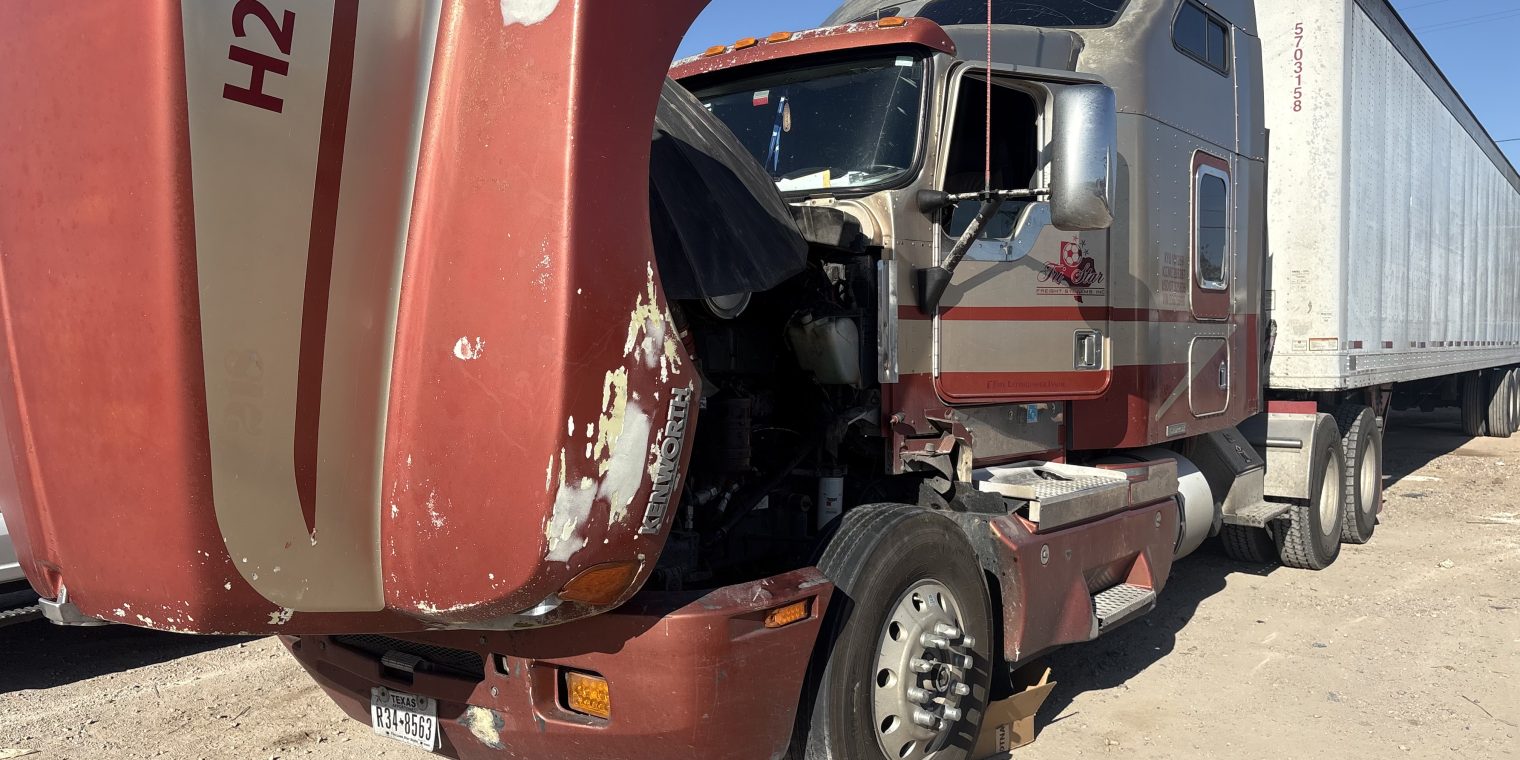
When a truck breaks down near Buckeye, the western stretch of I-10, or anywhere along the AZ-85 corridor, the decision of which shop to call happens fast. Most drivers do not have a well-thought-out list ready. They search, they call whoever picks up, and they hope the shop can actually handle what their truck needs.
Semi truck repair shops in Buckeye range from full-service commercial operations built specifically for Class 7 and 8 trucks to general repair facilities that occasionally see a big rig. The difference between those two types of shops is significant, and understanding what separates them before you need one puts you in a far better position when something goes wrong on the road.
Does the Shop Focus on Commercial Trucks?
The single most important question to ask any shop is whether semi truck repair is the primary business, not a sideline.
A general auto repair shop that handles passenger vehicles, light-duty pickups, and the occasional semi is not the same as a shop where commercial trucks are the only thing on the lift. Shops that work on semi trucks every day build different tools, different software access, and different technician depth than shops that do it occasionally.
Asking a shop what percentage of their daily work is commercial Class 7 and 8 trucks gives you a clear answer fast. A shop where semi trucks make up less than half the work is not the same as one where commercial trucks are all they do.
What Diagnostic Equipment Does the Shop Actually Have?
Diagnostic capability is one of the clearest indicators of whether a shop can handle complex semi truck problems.
Generic scan tools read fault codes across many makes, but they do not give technicians access to live sensor data, forced regen functions, module programming, clutch actuator calibration, or VIN-specific wiring diagrams. Without those tools, a shop is working with a fraction of the information a proper diagnosis requires.
When evaluating semi truck repair shops in Buckeye, ask these questions directly about semi truck and trailer repair capability:
- Can the shop run manufacturer-specific diagnostic software for your engine brand?
- Do technicians have access to VIN-specific wiring diagrams in real time?
- Can they perform forced regens, module calibrations, and transmission learn procedures?
- Do they have all-makes diagnostic coverage, or only certain brands?
A shop that answers all four confidently is operating at the same diagnostic standard as a dealership. One that describes a generic scanner as its primary tool is not going to be able to find the root cause of complex electrical, aftertreatment, or transmission faults.
How Experienced Are the Technicians and Do They Specialize?
Technician experience matters, but specialization matters more for heavy commercial truck repair.
A shop with thirty-five technicians who have each built expertise in a specific area, whether that is heavy-line engine work, electrical diagnostics, aftertreatment systems, or drivetrain and clutch, produces more consistent results than a shop where every technician is assigned whatever comes through the door.
Heavy commercial trucks are not simple machines. The aftertreatment system alone involves four interdependent components that each generate diagnostic data the technician needs to read correctly. Electrical faults in a truck running dozens of control modules that communicate over shared data networks require someone who works through VIN-specific wiring schematics and circuit testing as a daily practice, not occasionally. Transmission calibration after a clutch replacement requires hands-on familiarity with the manufacturer’s programming procedures.
When you ask a shop who handles electrical diagnostics or aftertreatment work specifically, the answer tells you whether the shop has that specialization built in or whether those jobs are handled by whoever is available.
What Is the Shop’s Service Range?
A capable shop for semi truck work handles repairs from a broad scope without farming work out to third parties.
When a shop tows your truck in but then refers part of the job to another facility, you lose control of the timeline and the coordination. The most useful shops for over-the-road drivers are the ones that handle the full spectrum of heavy commercial truck repair in one place.
What that should include for any shop you evaluate in the Buckeye corridor:
- Engine diagnostics and repair across all major makes
- Aftertreatment and DEF system work
- Electrical diagnostics with VIN-specific diagram access
- Transmission, clutch, and drivetrain repair with post-installation programming
- Trailer repair covering axle swaps, welding, brake service, and door hardware
- Heavy towing capable of moving a truck and trailer as a single unit
If a shop handles all of that in-house, a driver knows that one call resolves the entire situation. Heavy duty towing that moves the truck and trailer together as a single unit removes a major logistical burden from a driver already dealing with a breakdown.
How Does the Shop Handle Parts?
Parts availability directly controls repair turnaround, and shops that have built real supplier access move faster on every job.
A shop that has to order every component from a distributor on each job creates delays that are entirely preventable. When a shop regularly stocks common components for the truck types it works on most and has supplier access that extends through the week, the repair timeline is not held hostage to parts logistics.
When evaluating a shop, ask:
- Do you stock common parts for the repairs you do most often?
- If a part needs to be sourced, what does that process look like, and how long does it typically take?
- Can you source parts for both the tractor and the trailer in the same order?
A shop that answers those questions with specifics rather than vague assurances has thought through the operational side of repair delivery, not just the technical side.
Can the Shop Respond Without a Multi-Day Wait?
One of the most significant practical differences between a specialized semi truck shop and a dealership is availability.
Dealerships that service commercial trucks often have multi-week diagnostic queues. A truck that breaks down near Buckeye can’t sit for two weeks waiting for a dealership appointment slot. The shops that fill this gap effectively are the ones that handle commercial trucks as their primary business, have technicians ready rather than queued, and can begin work within a realistic timeframe.
This is the practical advantage of a dedicated commercial truck shop over a dealership for over-the-road drivers. The diagnostic capability is comparable when the shop has the right software. The difference is the wait.
What Do Other Commercial Drivers Say?
Reviews from other commercial truck drivers tell you more than general ratings when evaluating a shop for semi truck work.
A high star rating from a mixed customer base that includes passenger vehicle owners does not reflect how a shop performs on a failing aftertreatment system or a complex electrical diagnostic. What matters is whether drivers with trucks similar to yours describe repairs that held, diagnostics that found the real problem, and communication throughout the process.
Look specifically for:
- Commercial drivers describing their specific repair type by name
- Reviews that mention the repair stayed fixed, not just that the truck left the lot
- Mentions of communication and transparency during the process
- Repeat customers who chose the same shop again
That pattern of reviews from working drivers is a more reliable signal than star count alone.
Why Buckeye Is a Critical Corridor for Commercial Truck Repair
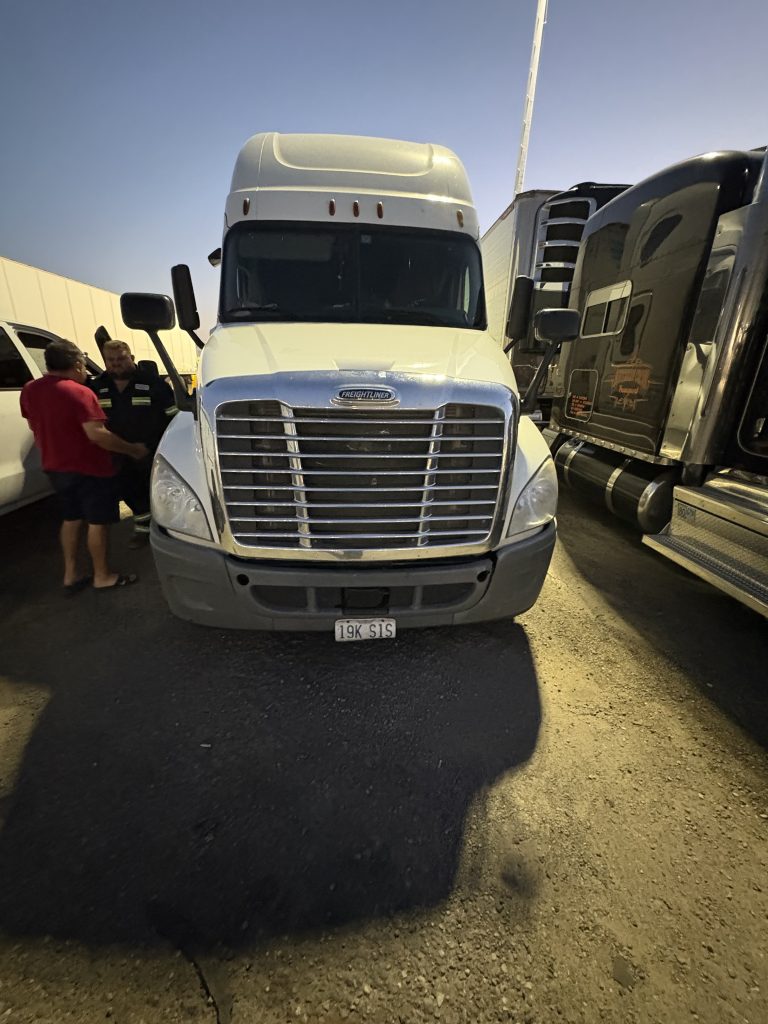
The Buckeye area sits at a logistical crossroads for commercial freight moving through western Arizona. Trucks running I-10 between California and the Phoenix metro, drivers working the AZ-85 corridor south toward Gila Bend and I-8, and fleets moving through the broader West Valley all pass through this stretch of highway.
A breakdown in this corridor puts a driver in a position where the nearest qualified shop matters immediately. Having already identified which shops in this area are built for commercial work, have the diagnostic software, and can respond without a multi-week wait is the difference between a repair that happens today and downtime that extends into next week.
The Benchmark for Semi Truck Repair Shops in Buckeye
Phoenix Heavy Towing and Repair is based in Buckeye and operates as a full-service semi truck repair shop built around Class 7 and 8 commercial work. Thirty-five technicians each handle specific areas of heavy truck repair, covering engine work, aftertreatment, electrical diagnostics, transmission and clutch, and full trailer repair.
Dealer-grade diagnostic software covers all major makes, with VIN-specific wiring diagrams available in real time. Parts access runs through the week. If the truck is not moving, roadside assistance puts a technician on-site to assess before committing to a tow.
Submit a service request and see what a commercial truck shop built for this corridor can do.
Frequently Asked Questions
What makes semi truck repair in Buckeye different from general truck repair?
Buckeye sits along one of Arizona’s busiest commercial freight corridors. Shops here that specialize in Class 7 and 8 trucks are dealing with over-the-road drivers who need real answers fast. General truck shops in any area handle a mix of vehicle types and do not build the tooling, software, or technician depth that commercial-only shops develop from daily heavy-truck work.
How do I know if a shop has the right diagnostic software for my truck?
Ask directly. A shop that has manufacturer-specific platforms for the major engine and transmission brands will be able to name them and describe what those tools let them do. A shop that describes a generic scan tool as its primary diagnostic equipment does not have the coverage needed for complex fault-finding on modern semi trucks.
Can a Buckeye shop handle both my truck and trailer in one visit?
Yes, if the shop has both the repair capability and the towing equipment to handle combination units. A shop with a 35-ton wrecker and a 50-ton rotator can recover both units together. Full trailer repair, including axle swaps, structural work, and brake service, should be available in the same facility.
Why would I choose a Buckeye shop over a dealership?
Dealerships that service commercial trucks often have multi-week diagnostic queues. A dedicated commercial truck shop in Buckeye with equivalent diagnostic software can begin work without that wait. For an over-the-road driver, that difference in availability is what determines whether the truck is back in service this week or next.
What should I look for in reviews of semi truck repair shops in Buckeye?
Look for reviews from commercial truck drivers describing specific repair types. Reviews that mention the problem was correctly diagnosed, the repair held up in service, and the driver would return are significantly more useful than aggregate star ratings from a mixed customer base.