
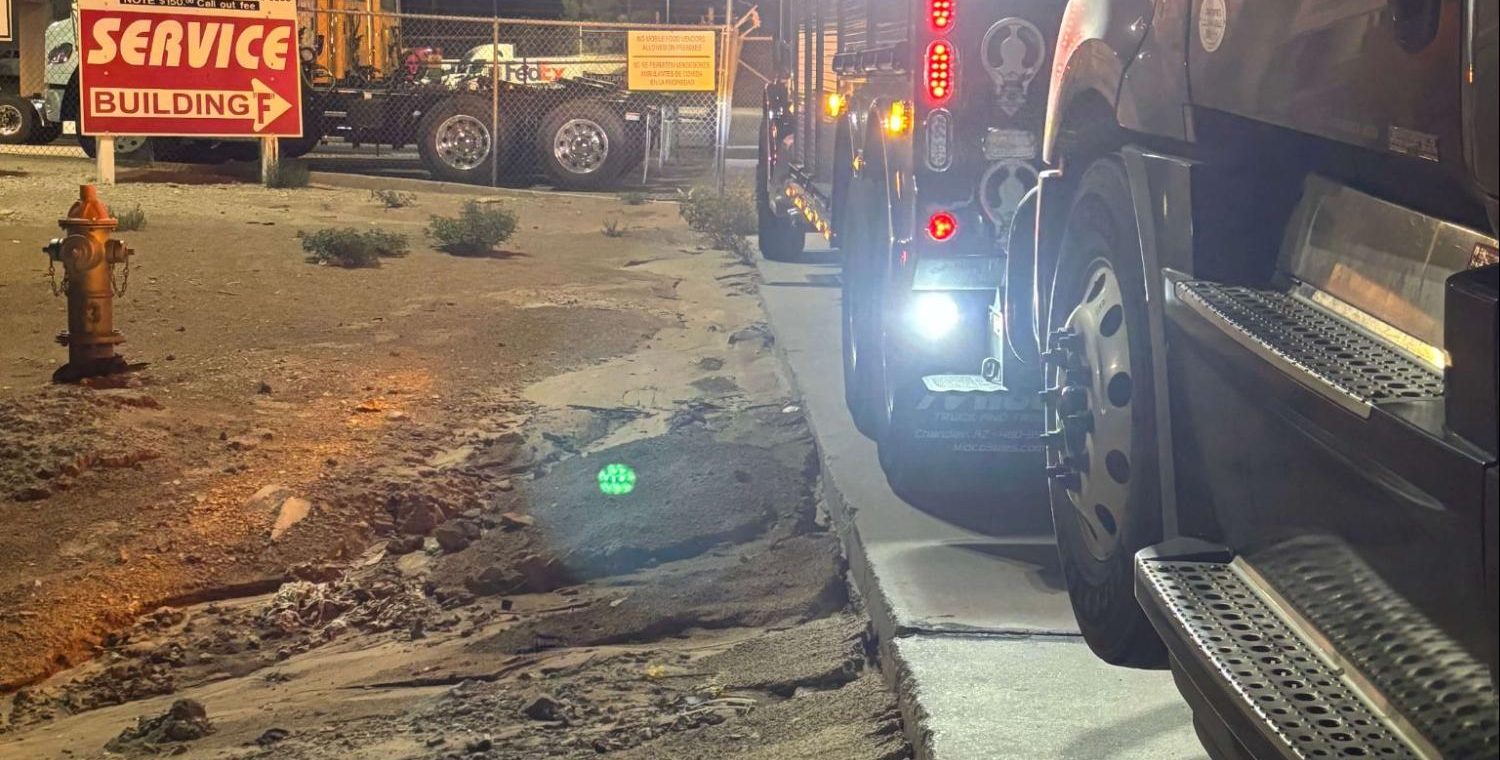
Every driver has a breakdown story. Some are just inconvenient. Others turn into expensive, days-long ordeals that could have been a lot shorter with a few different decisions. And if you’re newer to trucking, here’s the honest truth: most of the costly stuff isn’t about what broke. It’s about what happened in the minutes and hours after the truck stopped.
These truck breakdown mistakes aren’t talked about enough. Not because drivers are careless, but because nobody warns you ahead of time. Consider this a warning. Learn from the drivers who figured things out the hard way so you don’t have to.
Safety Mistakes That Put You at Risk Before Help Arrives
The first few minutes after a breakdown are the most dangerous. A lot of drivers underestimate that, and it can cost them far more than just time.
Pulling too far onto a soft shoulder is one of the most common errors. It feels safer to get off the road as much as possible, but soft ground can shift under a loaded trailer and create a secondary problem that’s far worse than the original breakdown. When you can, get to a rest area, truck stop, or paved pullout.
The other big one is skipping the warning triangles. Federal safety rules require them for a reason: rear-end collisions into disabled vehicles are a real and serious danger. Put them out every single time, even if you think you’ll only be stopped for a few minutes.
A few habits that protect you from the moment you stop:
- Turn on your four-way flashers immediately, before anything else
- Set warning triangles at the correct distances behind your rig
- Stay out of traffic lanes, even when checking on the truck
- If the location is genuinely unsafe, stay in the cab with your seatbelt on
Getting the truck fixed doesn’t matter much if you’re not safe while it’s happening.
Truck Breakdown Mistakes That Delay the Help You Need
Once you’re safe, the next priority is getting the right help on the way. This is where many truck breakdown mistakes happen, and most come down to what drivers say or don’t say when they make that first call.
Calling without knowing your exact location is one of the biggest ones. “Somewhere on I-10” is not enough. Dispatchers and service teams need mile markers, exit numbers, or nearby landmarks to reach you accurately. If you’re not sure exactly where you are, check your GPS, look at the last mile marker you passed, or use your phone’s map before you call.
Another common issue is contacting the wrong type of service. Not every towing company handles semi trucks like Phoenix Heavy Towing and Repair does. Calling a light-duty operator for a Class 8 rig means waiting twice: once for them to show up and turn you down, and again for the right team to arrive. Know ahead of time what kind of service handles commercial rigs in the areas you run through most.
What helps when you make that first call:
- Your exact location, including mile markers or cross streets
- What the truck is doing, or not doing
- Whether the trailer is loaded or empty
- Any visible issues like fluid leaks, smoke, or dashboard warning lights
The more accurate the information is, the faster the right team can respond.
Financial Mistakes That Cost You More Than They Should
Nobody wants to overpay during a breakdown. But the instinct to cut corners when your truck is down can actually make the situation significantly more expensive.
Approving work without understanding what’s being done is a real risk. You don’t need to be a technician, but you should always ask for a plain-language explanation of the problem and what the fix involves before anything gets started. A shop that struggles to explain the issue in simple terms is a shop worth questioning.
Chasing the cheapest option when your truck is down is another one. Budget shops that take longer, use the wrong parts, or miss the root cause of the problem end up costing more overall. A second repair after a bad first one is never actually cheaper.
A few ways to protect yourself:
- Ask what the diagnostic process involves before approving it
- Get a clear picture of what’s being repaired and why
- Understand that a fast, accurate fix from a qualified shop usually saves money compared to a slow or incorrect repair
- Be cautious of shops that can’t explain the problem before asking for approval to proceed
Preparation Mistakes That Make Every Breakdown Worse
Some of the worst breakdown experiences aren’t caused by the breakdown itself. They’re caused by not being ready for one. This category of truck breakdown mistakes is entirely within your control before anything goes wrong.
Not having a go-to service contact saved in your phone is one of the most avoidable problems. When you’re stressed and stopped, searching from scratch wastes time and leads to rushed decisions. Have a number ready for a shop that handles heavy commercial trucks in the regions you run through regularly.
Running without basic supplies is another one. Reflective triangles, a flashlight, water, and work gloves don’t take up much space and matter a lot when you’re waiting roadside in Arizona heat.
Things worth having ready before your next trip:
- A saved contact for a heavy-duty towing and repair service in your regular lanes
- Reflective warning triangles and a working flashlight in the cab
- Your truck’s VIN, make, model, and engine type are noted somewhere easy to find under pressure
- A general sense of where the closest rest areas and truck stops are along your route
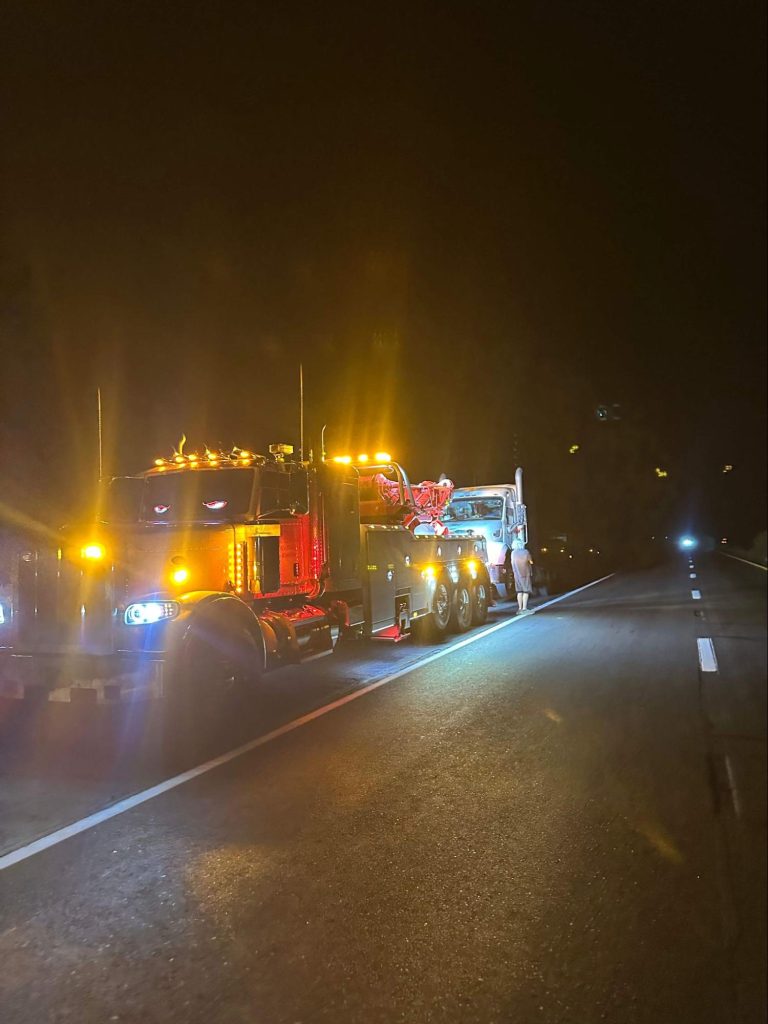
Decision-Making Mistakes When Choosing Repair Services
Pressure makes decisions harder. When your truck is down, urgency can lead to choices that cause more problems than they solve. Avoiding these truck breakdown mistakes often comes down to knowing what to look for before you’re in the middle of a stressful situation.
The most common error here is going with whoever shows up first without checking whether they have the right equipment and experience for heavy commercial trucks. A general towing company and a shop that works exclusively on Class 7 and 8 rigs are very different things.
Another mistake is not asking whether the shop can handle the full scope of the problem. If a shop tows you in but can’t properly diagnose or fix what’s wrong, you’re just moving the problem. The best outcome is a team that can handle everything without handing you off to someone else.
What to look for when you need repair services fast:
- Do they work primarily on Class 7 and 8 trucks?
- Do they carry the diagnostic software for your specific make and engine brand?
- Can they handle both roadside and in-shop repairs based on what the situation calls for?
- Do they have a real track record with over-the-road drivers?
On Your Side When It Matters Most
Phoenix Heavy Towing and Repair is built for exactly these situations. Whether it’s heavy duty roadside assistance on I-10 or I-8, a tow to the Buckeye shop for semi truck and trailer repair, or heavy-duty towing across long distances, the team shows up with the right equipment and dealership-level diagnostic tools to get the job done right.
Don’t wait until you’re stuck to figure out who to call. Submit a service request now and know you’ve already made one of the smartest decisions before your next breakdown.
Frequently Asked Questions
What is the first thing I should do when my truck breaks down?
Get to a safe location, activate your four-way flashers right away, and set out your warning triangles. Safety comes before the phone call. Once you’re in a stable position, gather your location details and basic truck information before reaching out for help.
Why do truckers end up paying more than they should for repairs?
Usually, because they approved work without fully understanding what was being done, or they went with the quickest or cheapest option rather than the most qualified one. A second repair after an incomplete or incorrect first one almost always costs more than getting it right from the start.
What type of towing service should I call for a semi truck breakdown?
You need a service that specifically handles Class 7 and 8 commercial vehicles. A light-duty or general towing operator won’t have the equipment or capacity for a loaded semi and trailer. Reaching out to the wrong service first just adds to your total downtime.
What should I keep in my cab to handle a breakdown better?
Reflective warning triangles and a flashlight are the basics. It also helps to have your truck’s VIN, make, model, and engine type written down somewhere easy to find, along with a saved contact for a heavy commercial towing and repair service in the areas you run most.
Is roadside repair always possible when a truck breaks down?
It depends on the situation. Some issues can be handled on-site when the location is safe, and the problem is manageable roadside. Others require the truck to come into a shop with the proper equipment and workspace. A qualified service team will assess the situation and make the call based on what the repair actually requires.
How can I find a reliable repair shop before I actually need one?
Look for a shop that focuses specifically on heavy commercial trucks, carries the diagnostic software for your make and engine, and has reviews from over-the-road drivers. Having that contact saved before a breakdown means you’re already ahead when the situation gets stressful.