
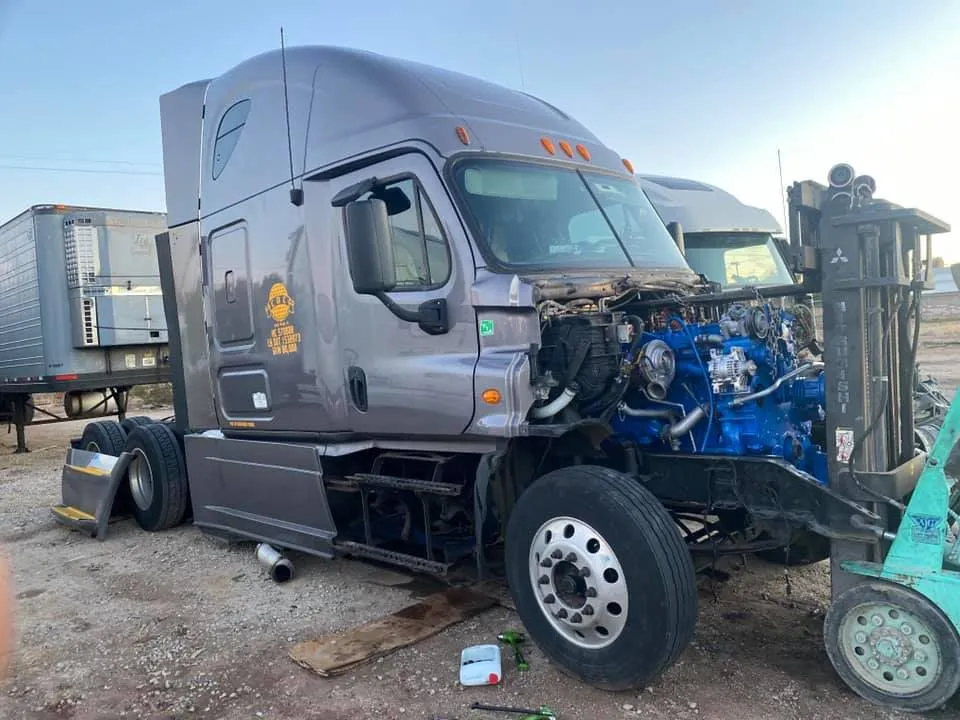
Your engine is always telling you something. The question is whether you know how to read it. A truck that starts smoking, dripping oil, making a new noise, or losing power is flagging a problem, and understanding what that symptom actually means is the difference between scheduling a repair on your terms and getting stranded mid-haul waiting for a tow.
Semi truck engine problems do not all carry the same urgency. Some symptoms mean you can finish your run and get it looked at in the next day or two. Others mean pull over now, because every mile you drive is adding damage. This guide breaks down the most common visible and audible warning signs in plain terms so you know what you are dealing with before you call a reliable repair shop.
What Exhaust Smoke Color Is Telling You
Smoke from the exhaust stack is one of the most readable signals a diesel engine produces. The color tells you what is burning where it should not be, and each color points toward a different part of the engine.
White Smoke
White smoke from a diesel engine typically means one of two things: coolant is entering the combustion chamber, or the engine is not burning fuel completely.
Coolant in the combustion chamber usually points to a head gasket failure or a cracked cylinder sleeve. The engine pulls coolant in and burns it alongside the fuel, producing white or light grey smoke with a sweet smell. This is a serious symptom. Continuing to run a truck with coolant loss into the combustion chamber risks overheating, hydrolocking, and a degree of internal damage that goes well past a gasket job.
Incomplete fuel burn as a cause of white smoke is more common during cold starts and usually clears once the engine warms up. If white smoke persists after the engine has reached operating temperature, that is a signal worth investigating rather than waiting on.
Urgency: Stop driving if the smoke is heavy, smells sweet, or is accompanied by coolant loss. Monitor and schedule quickly if it only appears briefly at cold startup.
Black Smoke
Black smoke means the engine is running too rich, producing more fuel than it is burning cleanly. The combustion chamber is getting more fuel than it can handle given the air available.
Common causes include:
- Injectors that are stuck open or delivering too much fuel
- A restricted air intake reduces the oxygen available for combustion
- A failing turbocharger that is not delivering enough boost pressure
- A clogged air filter is reducing airflow to the intake
Black smoke under hard acceleration is not always an emergency, but persistent heavy black smoke at normal operation is a signal that fuel delivery or air supply is off. Left alone, injector and turbo problems get worse, not better.
Urgency: Monitor light black smoke under heavy load. Heavy or persistent black smoke warrants a prompt inspection before it turns into a larger repair.
Blue or Grey Smoke
Blue or grey smoke means oil is burning in the combustion chamber. Oil is getting past a seal or ring it should not be crossing.
The most common sources are:
- Worn piston rings allow oil from the crankcase into the combustion chamber
- Failing valve stem seals let oil into the cylinder head
- A worn or damaged turbocharger seal pushes oil into the intake tract
The difference between these causes matters for how urgently the semi truck repair is needed. A minor amount of blue smoke on startup that clears quickly can sometimes be managed in the short term. Heavy blue smoke under any operating condition or oil showing up in the intake piping is a sign of significant wear that is progressing.
Urgency: For blue smoke at startup that clears quickly, schedule an inspection within a few days. For persistent blue smoke, heavy oil consumption, or oil in the intake, get it looked at before your next long haul.
Common Semi Truck Engine Problems: What Oil Leaks Are Telling You
Not all oil leaks are created equal. A seep on a gasket surface that leaves a slight stain is a different situation from oil actively dripping onto the ground or onto hot exhaust components.
Minor Seeps
A minor seep on a valve cover gasket, a front crankshaft seal showing slight weeping, or a small amount of residue around a fitting is something to watch and address at the next service opportunity. The real question is whether the engine is actually losing oil volume between checks. If the dipstick reads the same across runs, the seep is minor. If the oil level is dropping, it needs attention sooner.
Active Leaks
An active leak that is dripping, pooling under the truck after parking, or leaving a trail on the road is a different situation entirely. Active leaks that make contact with hot exhaust surfaces or turbo components create a fire risk on top of the mechanical concern. Leaks from a rear main seal or a failing oil cooler can also accelerate into much larger problems quickly.
Common semi truck engine problems involving oil leaks:
- Valve cover gaskets are weeping at the sealing surface
- Front and rear crankshaft seals are wearing and allowing oil to pass
- Oil cooler or oil cooler lines developing failures
- Turbocharger oil feed or drain connections leaking
Urgency: Monitor and address soon if there’s a minor seep with a stable oil level. Do not delay for active drip, dropping oil level between checks, or oil near hot components.
What Unusual Noises Are Telling You
New noises coming from a diesel engine almost always mean something physical is changing inside. The type of noise and where it is coming from narrows the field quickly for anyone who knows what to listen for.
Knocking
A deep knock coming from inside the engine block is one of the most serious sounds a diesel can make. It typically indicates bearing wear at the rod or main bearings, and in advanced cases, it means the connecting rod or crankshaft is running without adequate lubrication or clearance. This is a stop-immediately situation. A knock that is ignored becomes a catastrophic engine failure, and the difference in repair scope between catching it early and letting it go is significant.
Urgency: Stop driving. A knock that is audible at idle or under light load means the engine is at risk of sudden failure.
Turbocharger Whine
A turbocharger produces a characteristic whine under boost that experienced drivers know well. A change in that sound, pitching higher, developing a grinding or rattling edge, or becoming louder than normal, points to bearing wear or a damaged compressor wheel inside the turbo. Turbos that are failing do not fix themselves, and a turbo that fails while running can push debris into the engine intake or exhaust, creating secondary damage.
Urgency: A changed turbo sound warrants an inspection before it progresses. Do not ignore a grinding or rattling sound from the turbo under any operating condition.
Ticking or Tapping
Ticking at the top of the engine most often points to the valve train or the injectors. A loose rocker, a worn pushrod, or an injector with a mechanical issue can all produce a tapping sound up top. These symptoms are worth checking soon, but are generally less urgent than a deep knock from the bottom end.
Urgency: Ticking that appears suddenly or worsens over a short time: get it inspected within a day or two.
Loss of Power: What Is Behind It
A diesel engine losing power without an obvious mechanical sound is often experiencing one of a handful of conditions:
- Aftertreatment derate: The emissions system has flagged a fault, and the ECM is limiting power to protect it. This shows up with warning lights and is a diagnostic job, not a mechanical failure in the traditional sense.
- Turbo underperforming: A turbo that is not producing full boost brings down power across the entire RPM range, often with no dramatic noise early in the failure.
- Fueling issue: An injector that is not delivering the right amount of fuel at the right time causes both power loss and efficiency changes.
- Air intake restriction: A severely restricted air filter or a collapsed intake hose reduces combustion efficiency noticeably.
Loss of power on its own is not always an emergency, but it warrants diagnosis rather than being ignored.
Get the Right Answer the First Time
Visible symptoms point the direction, but pinning down the exact cause requires proper diagnostics. Phoenix Heavy Towing and Repair handles the full range of semi truck engine problems, from diagnosing smoke conditions and oil leaks to full engine rebuilds on all major makes and models. The team uses dealer-grade diagnostic software to read actual sensor data, meaning the repair targets the confirmed cause rather than the most likely guess.
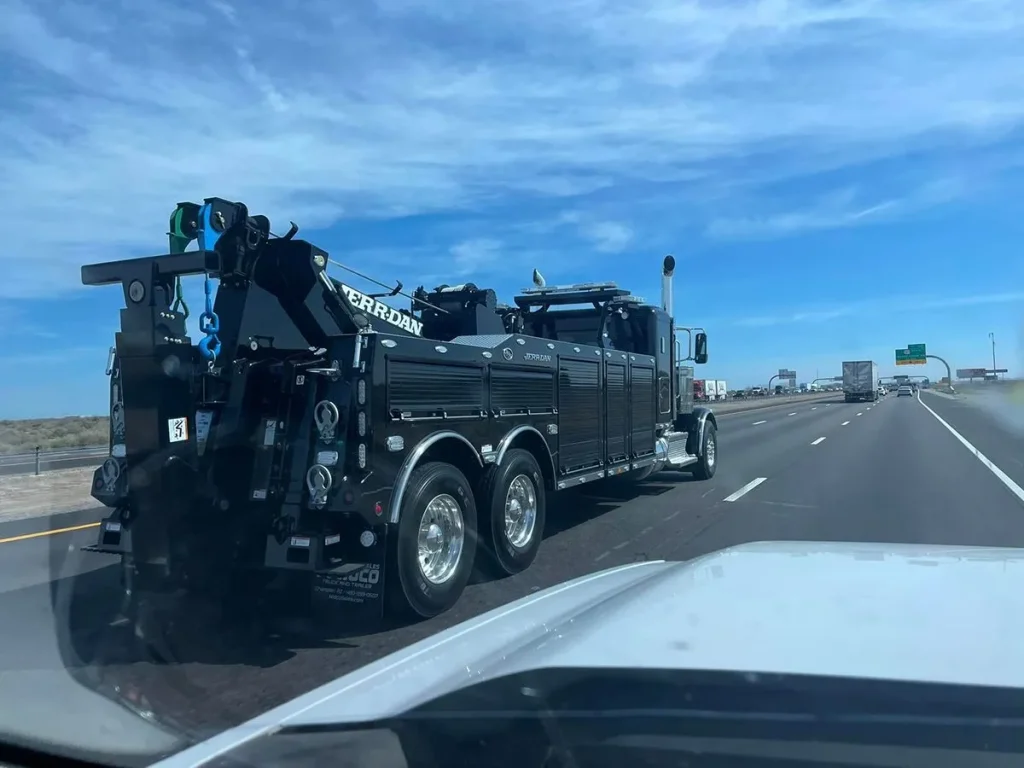
Whether the truck can make it in or needs heavy duty towing to the shop, semi truck and trailer repair covers the full job. If the truck is stopped and smoking on the shoulder, roadside assistance puts a technician on-site. Submit a service request and get a straight read on what the engine is trying to tell you.
Frequently Asked Questions
Is white smoke from a diesel engine always serious?
Not always, but it depends on the conditions. White smoke that appears briefly at cold startup and clears once the engine warms up is common and not usually a concern. White smoke that persists after warmup, has a sweet smell, or is accompanied by coolant loss is a serious symptom pointing to coolant entering the combustion chamber. That situation needs immediate attention.
What causes black smoke from a semi truck engine?
Black smoke means the engine is producing more fuel than it is burning cleanly. The most common causes are injectors delivering too much fuel, restricted air intake reducing combustion oxygen, and a failing turbocharger not providing adequate boost. Persistent black smoke at normal operating conditions is a signal to get the fuel and air delivery systems inspected.
How do I know if an oil leak is serious enough to stop driving?
If the oil level is stable between checks and the leak is a slight seep at a gasket surface, it can generally be monitored until a service appointment. If the oil level is dropping between checks, the leak is an active drip, or oil is making contact with hot exhaust or turbo components, the truck should not be driven until the source is identified and repaired.
What does a knock from a diesel engine mean?
A knock coming from inside the engine block is one of the most serious sounds a diesel can produce. It typically indicates bearing wear, insufficient lubrication clearance, or a rod or crankshaft in distress. This is a stop-immediately situation. Driving on a knocking engine converts a significant repair into a catastrophic one.
Can loss of power on a semi truck be an electrical or software issue rather than mechanical?
Yes. Aftertreatment derate is one of the most common causes of power loss on modern trucks, and it originates from the engine control module responding to an emissions system fault rather than from a mechanical failure. Other module-related conditions can also restrict performance. Proper diagnosis with manufacturer-specific software is the only way to separate a derate condition from a mechanical power loss with certainty.