

Your clutch does not fail without warning. It gives you signals first, and if you know what to listen for and what to feel, you can get the repair scheduled on your own terms instead of sitting on the side of the road waiting for a tow.
Semi truck clutch replacement is one of those jobs that scares drivers more than it should. Yes, it is a major semi truck repair. Yes, it takes time to do it right. But if you catch the symptoms early, you have options. Ignore them long enough, and what would have been a planned repair becomes an emergency, and by then, you might be dealing with a damaged flywheel or a transmission that took the hit from a clutch that finally let go.
Here is the honest rundown on what a failing clutch feels like, how serious each symptom is, and what the repair actually involves.
What Is Actually Wearing Out Inside Your Clutch?
Before getting into symptoms, it helps to understand what is happening mechanically. The clutch disc is a friction component that sits between the flywheel and the pressure plate. Every time you engage and disengage the clutch, that disc experiences friction. Over thousands of engagements and disengagements, the friction material wears down.
When the disc wears thin enough, it struggles to grip the flywheel with enough force to transfer engine power cleanly to the transmission. That is when the problems start showing up in ways you can feel from the driver’s seat.
The flywheel and pressure plate can also wear or get damaged, particularly if a clutch is allowed to slip for an extended period. That is why early action matters. A disc replacement on its own is a different job than a disc plus flywheel plus pressure plate because a driver kept pushing a clutch that was already gone.
Symptoms of a Failing Clutch: What to Watch For
These symptoms tend to show up in a rough progression. The earlier ones give you time to plan. The latter ones mean you should not be making another run before getting it looked at.
The Pedal Feels Different
This is usually one of the first things drivers notice. The pedal might feel softer than it used to, requiring more travel before the clutch engages. Or it might feel spongy, with no clear engagement point. Sometimes it goes the other direction and becomes stiff or resistant.
Any change in pedal feel that persists across multiple driving sessions is worth paying attention to. It does not automatically mean replacement is imminent, but it is your cue to have it inspected before the next symptom arrives.
Slipping Under Load
Clutch slip is when the engine revs climb, but the truck’s speed does not follow. You press the accelerator and the RPMs spike, but the power is not translating into movement the way it should. This happens most noticeably when pulling heavy loads uphill or accelerating from a stop under load.
Slipping is a sign that the clutch disc no longer has enough friction material to maintain solid contact with the flywheel under demand. At this stage, the clutch is failing, and semi truck clutch replacement should be scheduled promptly. Continuing to drive on a slipping clutch accelerates wear on the flywheel and pressure plate.
Grinding or Trouble Getting Into Gear
If you are getting resistance, crunching, or grinding when shifting, that points to a clutch that is not fully releasing. When the clutch does not disengage completely, the input shaft is still spinning when you try to move the gear selector, and that is where the grinding comes from.
This can be a clutch adjustment issue or a sign of more significant wear. Either way, it needs to be checked. Grinding your way through every gear change is hard on the transmission, and the damage adds up.
Burning Smell During Operation
A burning smell coming from the clutch area is the result of friction material overheating. It typically happens when a clutch is slipping and generating heat it can’t shed. If you are smelling it during normal operation rather than during a particularly difficult maneuver, the clutch is in trouble.
Stop and let the truck cool down if this happens. A clutch that has a burning smell and is hot is also a clutch that is wearing out fast.
Vibration or Chatter on Engagement
Clutch chatter is a shuddering or vibrating sensation when you engage the clutch from a stop. It can feel like the truck is lurching or shaking through the engagement point rather than picking up smoothly. This usually points to uneven wear on the clutch disc or contamination on the friction surfaces.
Which Symptoms Mean Stop Now vs. Schedule It
Knowing how urgent each symptom is helps you make the right call.
You can schedule the repair in the near term
- Pedal feel has changed, but the clutch still engages cleanly
- Occasional slight slip on heavy grades only
- Chatter on cold starts that clears up after the truck warms up
Get it checked before your next haul
- Consistent slip under normal load conditions
- Grinding on most gear changes
- Pedal travel has increased noticeably, and the engagement point is inconsistent
Do not make another run
- Burning smell during normal driving
- The clutch slips so badly that the truck struggles to move under load
- You can’t get the truck into gear reliably
At that last stage, you are risking flywheel damage, transmission damage, or getting stranded mid-route. Any of those outcomes is a worse situation than addressing the clutch when it first started showing signs.
What Semi Truck Clutch Replacement Actually Involves
This is a significant job, but a shop with experienced heavy-line technicians handles it routinely. Here is what the process looks like in plain terms.
The transmission has to come out to access the clutch assembly. Once it is out, the technician inspects the clutch disc, pressure plate, flywheel, and release bearing. Depending on what the inspection shows, some or all of those components get replaced. Trying to save money by replacing only the disc when the flywheel is already scored, or the pressure plate is worn, is a shortcut that leads to a repeat repair.
What a proper clutch job includes:
- Full removal of the transmission to access the clutch assembly
- Inspection of the flywheel, pressure plate, clutch disc, and release bearing
- Replacement of worn components based on actual condition, not just the disc
- Flywheel resurfacing or replacement if scoring or heat damage is present
- Reinstallation and torquing of the assembly to spec
Why Programming After Installation Makes the Difference
This is the part most drivers do not know about, and the reason some semi truck clutch replacement jobs fail earlier than they should.
Modern automated manual transmissions do not just bolt the clutch in and go. The clutch actuator has to be reprogrammed, and the transmission needs to run a learn procedure using manufacturer-specific software. This process teaches the transmission the exact engagement point of the new clutch so it can shift and engage correctly.
When a shop skips this step, the transmission is still operating on the old clutch parameters. It does not know where the new engagement point is. That mismatch causes rough shifting, premature wear, and complaints that the new clutch does not feel right. It is not the parts. It is the programming.
Shops that use ServiceRanger and equivalent manufacturer software for this step are doing the job the right way. It is the difference between a clutch replacement that holds up in service and one that comes back with complaints the driver can’t explain.
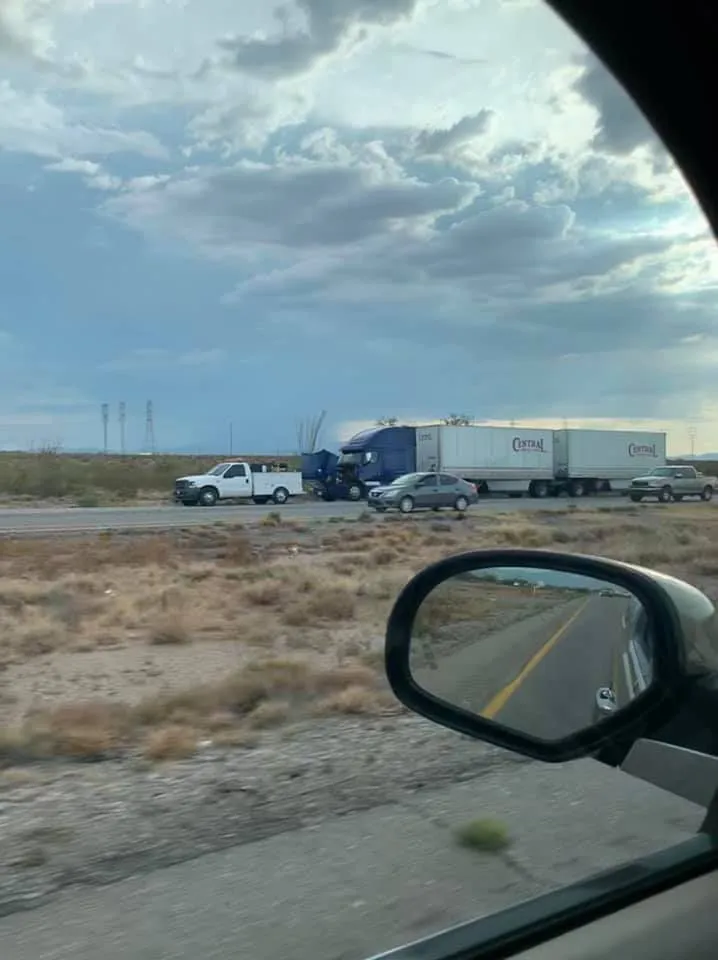
Roadside or In-Shop: Getting the Right Fix When You Need It
Some clutch situations can be assessed or addressed roadside when conditions allow. Others require the truck to come into a fully equipped shop. A capable team evaluates the situation and makes the call based on what the repair actually needs, not on what is most convenient.
When it is a full semi truck clutch replacement, the job is done properly in the shop with the equipment and software required to do it right, including the programming steps that make the repair last.
Ready to Get Your Clutch Sorted?
Phoenix Heavy Towing and Repair handles clutch replacement on semi trucks using the manufacturer-specific software required to program clutch actuators and run transmission learn procedures after installation. The semi truck and trailer repair team works on clutch jobs routinely and understands what a proper installation actually requires. If the truck is not drivable, heavy-duty towing gets it to the shop without adding more damage.
Submit a service request and get an honest read on where your clutch stands.
Frequently Asked Questions
How long does a semi truck clutch replacement take at a capable shop?
A full clutch replacement, including transmission removal, component inspection and replacement, and post-installation programming, is a substantial job. At a shop with experienced heavy-line technicians and the right tooling, same-day completion is achievable depending on the truck’s configuration and what the inspection reveals. The programming step adds time but is not optional on automated transmissions.
Can I keep driving if my clutch is slipping?
It depends on how much it is slipping. Occasional light slip on a heavy grade might give you time to schedule a repair in the near term. Consistent slip under normal load, a burning smell, or inability to pull reliably means you should not make another run. Driving on a fully failing clutch risks damaging the flywheel and transmission, which turns a clutch job into a much more extensive repair.
What is a clutch learn procedure, and why does it matter?
A clutch learn procedure is a programming process run through manufacturer-specific diagnostic software after a new clutch is installed. It teaches the transmission’s control module where the new clutch’s engagement point is. Without this step, the transmission operates on the old clutch parameters, which causes rough shifts, premature wear, and early failure of the new components.
What causes a semi truck clutch to wear out faster than expected?
Riding the clutch during low-speed maneuvering, slipping the clutch habitually to manage heavy loads, frequent stop-and-go driving, and pulling in rough terrain all accelerate clutch disc wear. A clutch that was never properly programmed after installation can also wear faster because the transmission is engaging at the wrong point. Driving style and proper installation both factor into how long a clutch lasts.
Is it possible to get a clutch replacement done roadside?
Full clutch replacement requires a proper shop setup with the equipment to remove the transmission safely and the software to complete the programming. What can be done roadside is an initial assessment to determine whether the truck is safe to drive to a shop or needs to be towed. Getting an accurate picture of the situation before making that call is the right first step.