
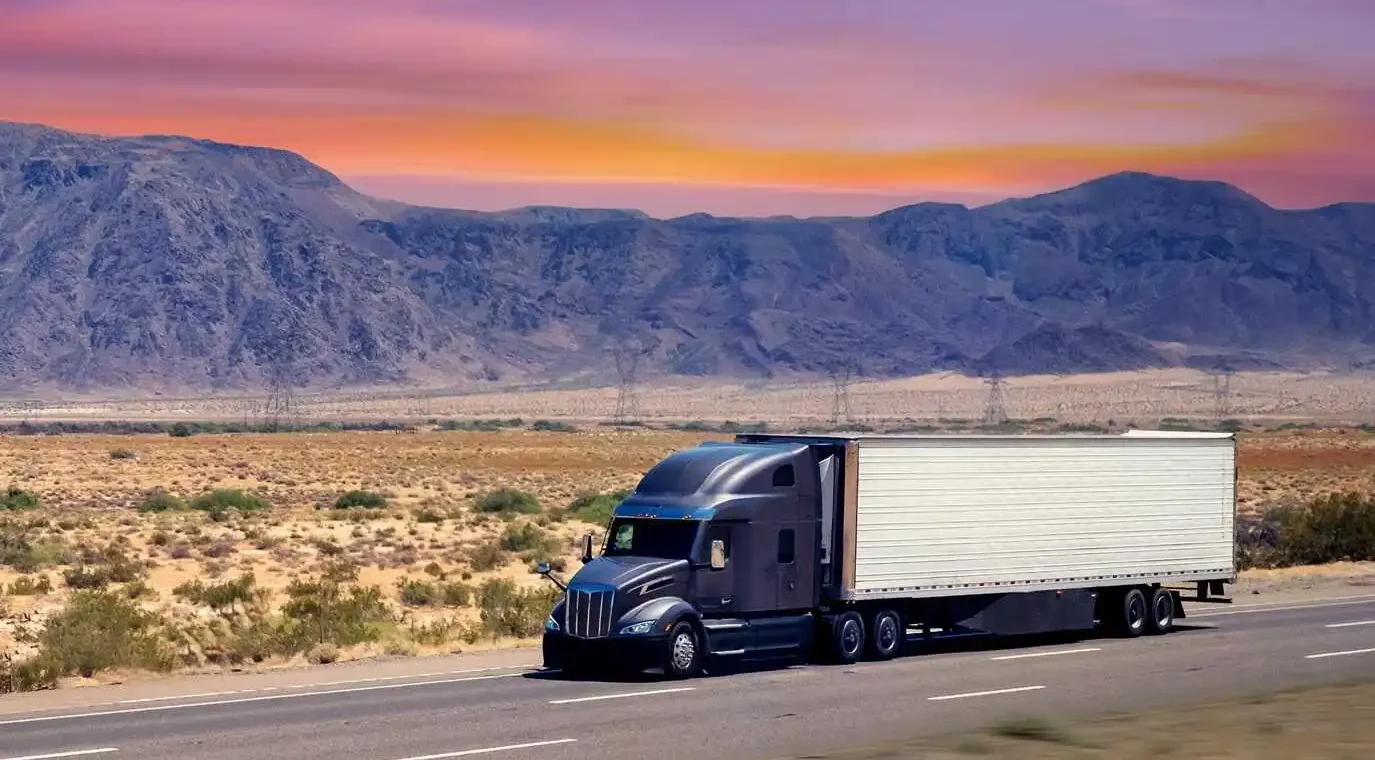
The rear end of a semi truck is not supposed to make noise. When it starts talking, it is telling you something is wearing, something is breaking, or something has already gone wrong. The drivers who hear that early and act on it have options. The ones who wait until the rear end locks up at highway speed do not.
Semi truck differential problems follow a predictable progression. The sounds change as damage advances. Understanding what each one means gives you the information to make the right call before the situation takes it out of your hands entirely.
Why the Differential Matters
A quick look at what the differential does helps put the symptoms in context. It distributes power from the driveshaft to the rear axles while allowing the wheels to rotate at different speeds through turns. Inside that housing are gears, bearings, and seals that operate under constant load every time the truck moves.
Everything inside that housing depends on gear oil for lubrication. Lose the oil, lose the lubrication, and the gears and bearings start destroying themselves within minutes. This is why early symptoms matter. A differential that is starting to fail is still fixable. One that has run dry and seized is a different problem entirely.
What Semi Truck Differential Problems Sound Like
Differential symptoms usually start as sounds. Most drivers notice the sound before anything else, and each type of noise points to a different stage of the problem.
Whining or Humming That Changes With Speed
A whine or hum from the rear end that rises and falls with road speed (not with engine RPM) is one of the earliest signs that something is off in the differential. It often points to bearing wear or gear mesh that is no longer within specification. The sound gets louder as speed increases because the bearings and gears are spinning faster.
This is the stage where you have the most options. The differential is still functioning, but it is signaling that the lubrication or wear condition is deteriorating. Continuing to run on worn bearings accelerates the damage and widens the repair scope.
Urgency: Monitor and get to a shop within a day or two. Do not let a whine become a grind.
Grinding or Growling
A grinding or growling sound from the rear end means metal is contacting metal somewhere it should not. At this stage, bearing wear has advanced to the point where the rolling elements are no longer separating surfaces cleanly, or gear teeth are making rough contact.
This is past the monitor-and-schedule stage. Grinding means the differential is actively damaging itself with every mile driven. The repair scope at this point is larger than it would have been at the whine stage, and it grows with each run. The semi truck and trailer repair team handles this work routinely, and getting the truck in at this stage still leaves repair options on the table.
Urgency: Get the truck to a shop as soon as reasonably possible. Continuing to drive on a grinding differential risks breaking gear teeth and turning a bearing replacement into a full swap.
Clunking When Engaging or Shifting Direction
A clunk or thud when moving from reverse to drive, when taking off from a stop, or when power shifts during a gear change is a different type of symptom than a continuous noise. It suggests worn spider gears, increased backlash between gear faces, or worn carrier bearings that allow the gear assembly to shift under load changes.
Clunking on engagement means internal clearances in the differential have grown past acceptable limits. The gears are moving more than they should relative to each other, and that movement produces the impact noise you are hearing.
Urgency: Get it inspected. Clunking differentials can deteriorate quickly under load, particularly when pulling heavy loads or working on rough terrain.
Vibration That Points to the Differential
Not every vibration at highway speed is a semi truck differential problem, but certain patterns are worth noting.
A rhythmic vibration tied to road speed, one that shifts in intensity as vehicle speed changes, can point to differential bearing wear or an imbalance in the ring and pinion gear mesh. One way to distinguish this from driveline vibration is to shift to neutral and coast. If the vibration holds at the same intensity while coasting, it is more likely a rotating component in the drivetrain than engine-driven. Pass that observation along when you call a shop.
Gear Oil Leaks: What They Mean for the Differential
Gear oil on the ground under the rear axle, or a wet film on the axle housing, means a seal is failing, and the differential is losing the lubrication that keeps its internal components alive.
This is not a cosmetic issue. A differential that is leaking gear oil is on a timer. As long as the oil level stays adequate, it keeps working. Once it drops low enough to starve the gears and bearings of lubrication, the failure progression becomes very fast and very complete.
Common leak sources on a semi truck differential:
- Pinion seal at the front of the differential housing where the driveshaft connects
- Axle shaft seals on each side where the shafts exit the housing
- Carrier gasket or cover gasket allowing oil to seep past the housing mating surface
A seal leak caught early is a relatively contained repair. A seal leak that runs the differential dry before it gets addressed is not.
Urgency: A weeping seal can be monitored briefly while scheduling. An active drip or a visible oil trail requires prompt attention.
What Happens When You Ignore Differential Symptoms
Differential failures follow a sequence, and each stage left unaddressed opens the door to the next, more severe one.
Early bearing wear produces noise. If ignored, the bearing deteriorates to the point where it no longer supports the load. The gear mesh changes as bearing clearances open up, accelerating gear wear. Gear teeth begin losing material. Eventually, a tooth breaks, and a broken gear tooth inside a spinning differential housing causes secondary damage to surrounding components almost immediately.
The worst-case scenario is a rear-end lockup. If a differential fails catastrophically while the truck is moving, the drive wheels can lock suddenly. At highway speed, that is a serious safety event, not just a mechanical inconvenience.
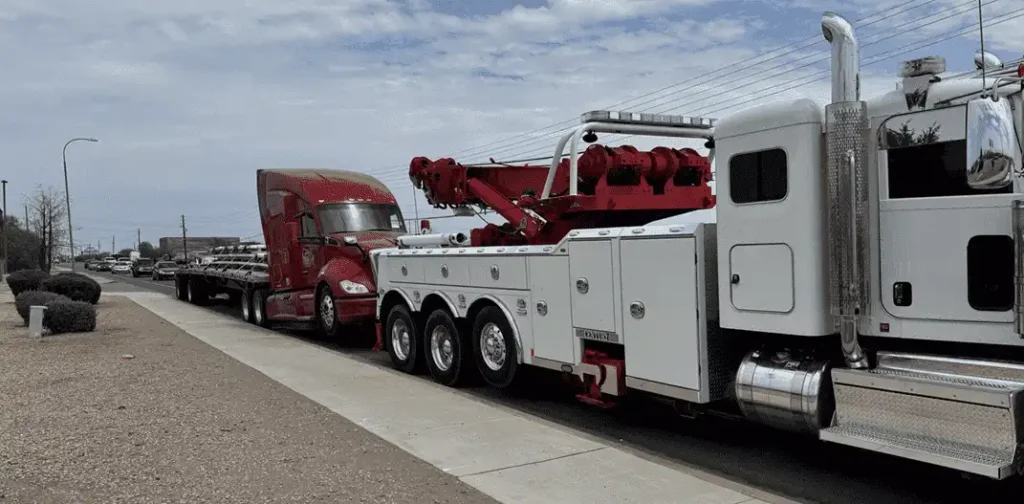
A driver who catches semi truck differential problems at the whine stage has a planned repair on their schedule. A driver who keeps going until the rear end locks up is dealing with a heavy duty tow, extended downtime, and a repair that is far more extensive than what the early symptoms would have required.
What Differential Repair Actually Involves
Differential repair ranges in scope depending on how far the problem has progressed and what the inspection finds.
At the less severe end, a seal and bearing replacement addresses early wear before it reaches the gear surfaces, with the differential housing staying in place.
When gear wear is involved, the ring and pinion gear set may need replacement, a more involved job requiring precise gear mesh resetting. In some cases, a full differential swap is faster and produces a more reliable outcome than rebuilding worn internals.
What sets capable shops apart is having parts on hand and technicians who do this work regularly. Same-day differential work is realistic at a shop where this is routine, not an occasional job.
Stop the Progression Before It Stops You
Phoenix Heavy Towing and Repair handles semi truck differential problems as routine heavy-line work, from seal and bearing replacement to same-day full differential swaps. The team keeps parts available and has drivetrain specialists on staff, so repairs move without unnecessary waiting.
If the truck is not drivable on its own, roadside assistance can assess the situation on-site and get it moving to the shop.
Submit a service request and get the differential looked at before the sounds get worse.
Frequently Asked Questions
Is a whining noise from the rear end always the differential?
Not necessarily. Wheel bearing wear, certain driveshaft issues, and axle shaft conditions can all produce rear-end noise. The pattern of the noise matters: if it changes with road speed rather than engine RPM, and if it is coming from a consistent location at the rear of the truck, the differential or a wheel-end component is the likely source. A technician can narrow it down quickly with the truck on a lift.
How long can I drive on a differential that is starting to whine?
That depends on how the sound is progressing. A faint, stable whine that has not changed over several hundred miles is different from a whine that has gotten noticeably louder over a few days of driving. The first situation gives you time to plan. The second means the problem is advancing, and putting it off is adding risk to each run. Get it inspected before it becomes a grind.
What is the difference between a differential swap and a differential rebuild?
A rebuild means the existing differential housing stays in place while worn internal components are replaced selectively. A swap means the entire differential assembly is exchanged for a replacement unit. At a shop with the right inventory, a swap often completes faster and delivers a fully known outcome. The right approach depends on what the inspection finds and how far the damage has advanced.
Can a differential problem cause a truck to pull to one side?
Yes. If bearing wear or gear damage is severe enough, the differential may no longer distribute power evenly between the drive axles. This can produce a pull or a handling change that gets worse under load or acceleration. Handling changes alongside rear-end noise should be taken as a higher-urgency situation than noise alone.
What causes gear oil to leak from the differential?
The most common sources are the pinion seal at the front of the housing, the axle shaft seals on each side, and the housing cover gasket. These are subject to heat cycling, vibration, and age-related deterioration. A leak addressed while the oil level is still adequate is a straightforward repair. A leak that has allowed the differential to run low on lubrication involves additional damage assessment before the seal work begins.