
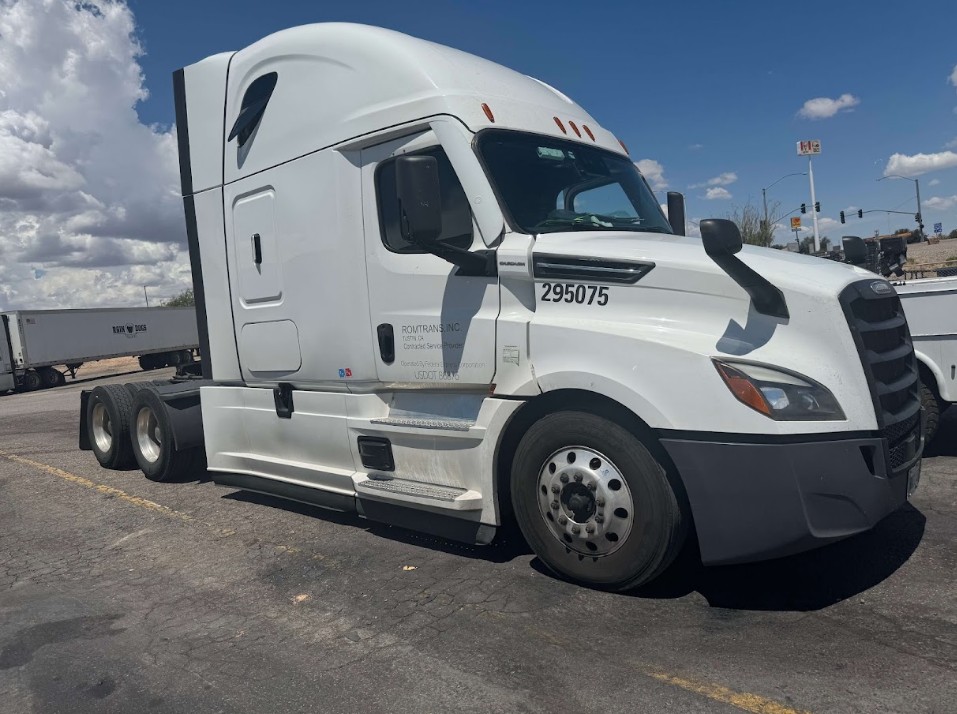
A semi truck breakdown on a busy highway or a remote stretch of road creates immediate pressure. The clock is running, the load is sitting, and the decision about what happens next needs to be made quickly. For many drivers who haven’t needed a heavy-duty tow before, the process feels uncertain because nobody has explained what actually happens from the moment you make the call.
This guide walks through the full process of semi towing in Phoenix and the surrounding commercial corridors: what information you need ready, how the dispatch and arrival process works, what the towing team does on-site, and how the truck gets from the breakdown point to the shop.
What Information Should You Have Ready Before Calling?
Having the right information ready before you call shortens the time between your call and the right equipment arriving at your location.
The dispatcher needs specific details to send the right equipment and route a crew to the correct spot. A call with complete information produces a faster, more accurate response than one where the details get sorted out over multiple exchanges.
What to have ready:
- Your exact location: Mile marker, exit number, or cross streets. “Somewhere on I-10” is not enough. Check your GPS or mark down the last mile marker you passed.
- Truck details: Year, make, model, and configuration (day cab, sleeper, tandem or tri-axle).
- What happened: Describe the problem and what the truck is doing or not doing. Did it shut down suddenly, lose power gradually, or show a warning before stopping?
- Trailer status: Is the trailer attached? Is it loaded or empty? What type of trailer?
- Road conditions: Are you on the shoulder, in a lane, down an embankment, or in a precarious position?
That last point matters more than drivers sometimes realize. A truck parked on a standard shoulder requires different equipment than a truck that has gone off the road or is leaning against a barrier. Giving the dispatcher an honest picture of the situation upfront means the right crew and equipment get dispatched the first time.
Semi Towing in Phoenix vs Roadside Repair: Choosing the Right Path
Some breakdowns require the truck to come to a shop regardless of the repair type; others can be addressed on-site with the right mobile team.
The decision involves four factors: location safety, repair scope, parts availability, and conditions at the scene.
Tow immediately when:
- The location poses a risk to a technician working near traffic, in poor visibility, or during nighttime without adequate lighting
- The repair requires internal engine access, lifting equipment, or precision alignment tools that mobile service can’t provide
- The needed part is not on the mobile truck, and waiting roadside for delivery is impractical
- The truck is off the road, overturned, or in a position that requires recovery before towing becomes possible
Roadside repair may be appropriate when:
- The location is safe and gives the technician adequate working room
- The fault is in the aftertreatment system, air lines, electrical circuits, or another system reachable with mobile diagnostic tools
- The part needed is on the mobile unit
- Weather and time of day allow the repair to be completed correctly in the field
When the dispatch team receives the call, they assess these factors based on what you describe and ask follow-up questions to fill any gaps. A professional team does not default to towing when roadside may work, and does not attempt field repairs when the situation requires the truck to move to a proper facility first.
What Equipment Handles a Semi Truck Tow?
The equipment dispatched depends on the truck’s condition, configuration, and the tow required.
Not every tow situation calls for the same equipment. A driver or fleet manager who understands the basics can ask better questions and understand the plan when the team explains it.
35-ton wrecker: The workhorse of heavy commercial towing. Handles standard semi truck tows where the truck is accessible, upright, and can be hooked from the rear or undercarriage. Capable of moving a standard loaded combination unit.
50-ton rotator: Required for overturn recoveries, off-road or embankment situations, and any tow where the truck needs to be lifted and repositioned rather than simply pulled. The rotator’s boom swings 360 degrees, allowing it to reach trucks from angles a standard wrecker won’t be able to approach. For recoveries involving an embankment, a jackknifed position wedged against a barrier, or an overturned unit, the rotator handles what standard equipment won’t.
The team may dispatch both units for a complex recovery that involves uprighting the truck first and then towing the complete unit. For a loaded combination that won’t separate cleanly, the right equipment combination handles both the tractor and trailer in a single coordinated run.
What Happens When the Towing Team Arrives?
When the crew arrives on-site, the first priority is a safety assessment before any equipment is attached to the truck.
The team surveys the scene before opening a toolbox or deploying rigging. They identify traffic hazards, assess the truck’s position and condition, confirm whether the trailer is attached and what its status is, and determine the safest approach and equipment positioning.
Here is what the arrival sequence typically looks like:
- Scene assessment: The crew walks the scene and confirms that what was described over the phone matches the actual situation. Discrepancies get resolved before equipment goes up. If the truck’s position is more complex than described, the team recalibrates the plan before rigging begins.
- Traffic control setup: Warning triangles, road flares, or traffic cones are positioned to establish a safety zone around the work area. On high-speed roads, this step gets more attention before anything else happens.
- Equipment positioning: The wrecker or rotator is placed in the optimal position relative to the truck. For a rotator recovery, outriggers are deployed to stabilize the unit before the boom is extended.
- Rigging attachment: Rigging connects to the truck’s frame or designated tow points, not to any available attachment. Incorrect rigging causes secondary damage that compounds the original problem.
- Recovery or lift: The truck is moved to a towable position if it was overturned or off-road, or hooked up directly for towing if it is already on the road.
- Tow configuration: Once the truck is in position, the team confirms it is properly secured for road transport and that the trailer is configured for the tow.
Throughout this process, the driver should remain at a safe distance from the work area. The crew will communicate directly about what they need from the driver and when.
Can the Truck and Trailer Be Towed Together?
Yes, when the right equipment is dispatched, both the truck and trailer can be moved in a single tow run.
The practical difference here is significant. A tow operation that can only handle the tractor means the trailer stays at the breakdown point until a second operator is dispatched. That creates two separate coordination timelines, two arrival windows, and potentially a loaded trailer sitting unsecured on a shoulder for an extended period.
A 35-ton wrecker paired with a 50-ton rotator, or a single capable unit for less complex situations, moves the full combination together. For drivers and fleet operators coordinating loads on a schedule, this difference in recovery approach affects how quickly freight can be re-addressed after the truck arrives at the shop.
What Happens After the Tow: Arrival at the Shop
When the truck arrives at the repair facility, the tow team hands off directly to the repair team and provides a full account of the recovery.
For semi towing in Phoenix operations that bring the truck to a shop with in-house repair capability, the semi truck and trailer repair team begins the assessment without delay. The towing crew communicates what they observed on-site: the truck’s position when they arrived, any secondary damage noted during the recovery, the load and trailer status, and any relevant detail from the driver about what happened before the breakdown.
This handoff matters because it gives the diagnostic technician a complete picture before they start the assessment. A truck that was running rough before it stopped tells a different story than one that shut off cleanly. A truck that was in an impact tells a different story than one that rolled to a stop on its own. The more context the recovery crew passes along, the more efficiently the diagnosis proceeds.
Once the truck is in the shop, the diagnostic process begins. For semi towing in Phoenix situations where the truck came in without a prior diagnosis, the technician uses manufacturer-specific software to pull fault codes, read live sensor data, and build an accurate picture of what needs to be repaired. The goal is to confirm the root cause before any repair work begins, not to address the most visible symptom and hope it resolves the problem.
Getting Back in Service After a Tow
The fastest path from breakdown to back-in-service is a tow to a shop that handles both the recovery and the repair as one operation.
Coordinating between a separate towing company and a repair facility adds communication steps, queue positions, and logistical gaps that extend total downtime. When the tow and the repair happen in the same operation, the truck moves from breakdown through diagnosis to repair without handoff delays or competing schedules.
24-hour roadside assistance that connects to in-house repair capability also means that if the situation starts as a roadside call and shifts to a tow, the same team handles the transition without the driver needing to call a second provider.
The driver’s role during the repair phase is to remain available and reachable. Approvals for repair scope, authorization for additional findings, and communication about the timeline all require the driver or fleet manager to be accessible. A missed call when the shop needs a decision adds time to the process.
Ready When You Need It
Phoenix Heavy Towing and Repair handles heavy duty towing across Phoenix and the surrounding commercial corridors, operating a 35-ton wrecker and 50-ton rotator for the full range of semi towing in Phoenix and recovery situations.
Submit a service request now so the contact is already in your phone before you need it.
Frequently Asked Questions
What should I do immediately after my semi truck breaks down?
Pull as far off the travel lane as conditions allow, activate your hazard flashers, and set out warning triangles behind the truck. Then collect your exact location details (mile marker, exit number, or nearby landmarks) and record the truck’s condition before calling for towing or roadside service. Being organized before you dial gets help moving faster.
How long does emergency semi towing typically take to arrive?
Arrival time depends on where the truck is located relative to the dispatch point and what equipment the situation requires. Breakdowns near Phoenix along the major I-10 and I-8 corridors see faster response windows than remote rural locations that require longer drive time to reach. The dispatcher can give you a realistic estimate based on your specific location.
Does towing damage a semi truck if done incorrectly?
Yes. Incorrect rigging attachment, improper tow configurations for certain axle setups, and failure to account for how loaded trailer mass is distributed can all cause secondary damage during a tow. A professional heavy-duty towing team uses the correct rigging points and configurations for each truck type and situation. This is one reason it matters that the crew dispatched has commercial truck towing experience specifically, not just general automotive towing experience.
Can a heavily loaded trailer be towed without unloading first?
In most situations, yes. The 50-ton rotator and 35-ton wrecker combination handles loaded trailer configurations within standard commercial limits. Whether unloading is required depends on the trailer’s position, condition, and access to proper rigging points on the frame and axle assemblies. The recovery team assesses this on-site before deciding on the approach and communicates the plan clearly before any rigging is attached.
What is the difference between a tow and a recovery?
A tow moves a truck that is accessible, upright, and on the road surface. A recovery first repositions the truck by uprighting an overturned unit, extracting a truck from an embankment, or separating a jackknifed combination before the tow can happen. Recovery typically requires additional equipment, more time, and a more involved rigging and sequencing process than a standard tow. The initial assessment determines which situation you are in before equipment is deployed.