
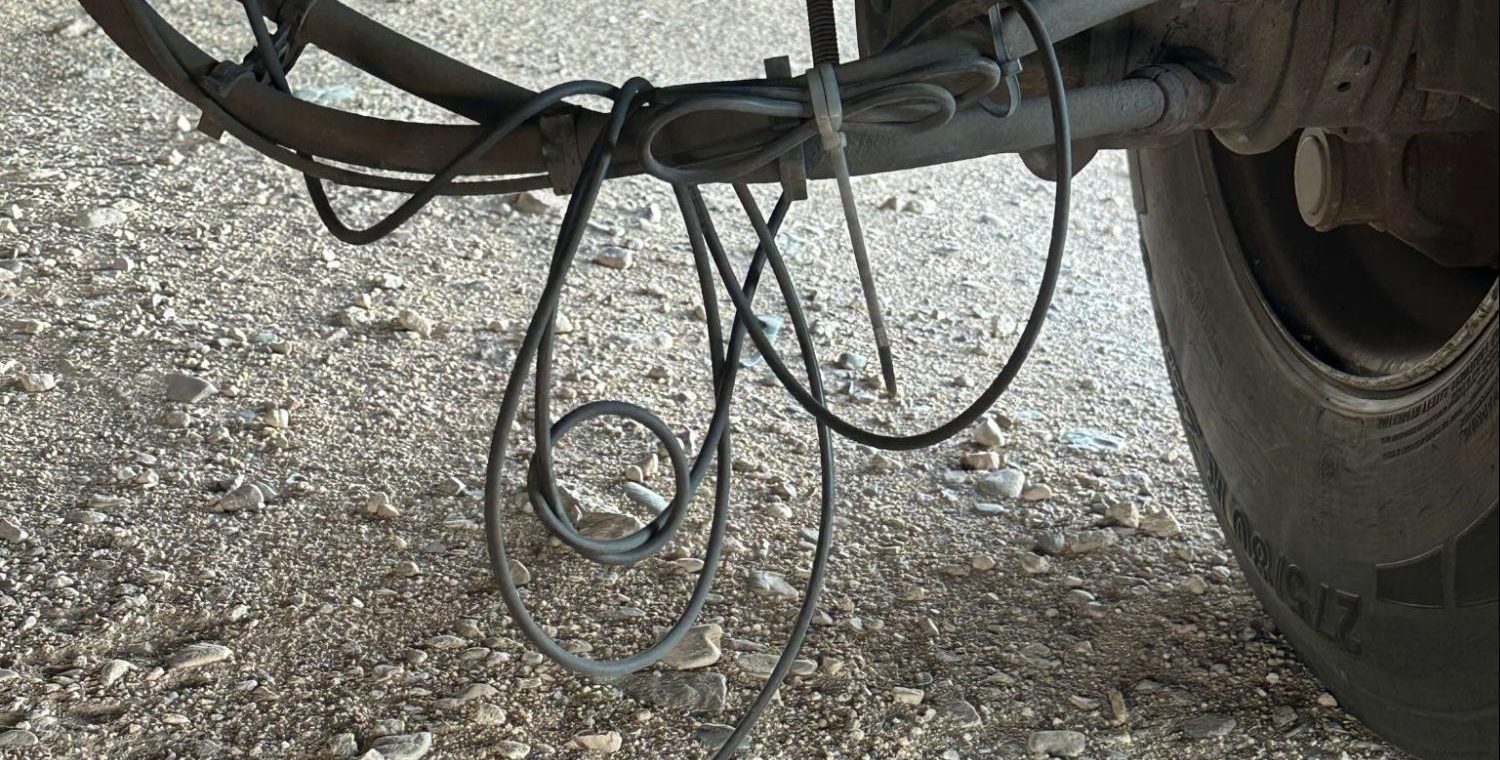
Truckers know that unexpected repairs can be a major inconvenience, often costing time and money. Whether you’re hauling freight across the country or heading home, it can be frustrating when a repair takes longer than you expected. But why do some repairs take just a few hours, while others can stretch into several days? And more importantly, what can you do to minimize the wait time?
In this article, we’ll break down the factors that contribute to truck repair timelines and provide actionable advice to help you better manage the repair process.
Parts Availability Realities
One of the most significant factors affecting the timeline of your truck repair is parts availability. The parts needed for repairs may not always be immediately available, which can cause significant delays.
Why Parts Can Cause Delays
- Supply Chain Issues: Parts might be in high demand or delayed due to disruptions in the global supply chain. Manufacturers often face delays in production, especially for specialized or rare components.
- OEM (Original Equipment Manufacturer) Parts: For newer trucks, shops often need OEM parts to ensure proper functionality. These parts are sometimes not available on-site and must be ordered, which can take additional time.
- Aftermarket Parts Availability: In cases where aftermarket parts are used (which are sometimes cheaper or more readily available), these can also be subject to stock delays, especially for specialized truck models or custom repairs.
What You Can Do
- Pre-order Parts: If you know you’re going into the shop for a repair, inquire about parts availability in advance. Shops like Phoenix Heavy Towing and Repair maintain extensive inventories of parts, helping reduce your wait time.
- Ask About Alternative Parts: If the necessary OEM part isn’t available, ask if there are suitable aftermarket alternatives to speed up the process.
Shop Workflow and Scheduling Factors
A repair shop’s internal workflow and scheduling also play a critical role in how long a repair will take. Many shops work on multiple vehicles at once, and some repairs may require waiting for an available technician or shop space.
Key Factors in Shop Workflow
- Shop Workload: Some repair shops handle a high volume of vehicles, leading to longer wait times. If the shop is booked with urgent repairs, your truck may have to wait in line for its turn.
- Technician Specialization: Some repairs may require a specific technician with the right expertise, which can lead to longer waiting times if the shop doesn’t have enough skilled workers available.
- Routine vs. Specialized Repairs: Routine maintenance or minor repairs may be quicker because the shop handles them regularly. However, specialized issues, like transmission or engine overhauls, often take more time due to their complexity.
What You Can Do
- Inquire About the Shop’s Schedule: Ask when your truck can be worked on and whether the shop is handling multiple vehicles. A transparent shop manager will provide an honest estimate based on their current workload.
- Consider Mobile Repair Services: If your repair is minor and the parts are available, a mobile mechanic might be able to handle the job on-site, eliminating the need for towing and reducing the repair time.
Warranty/Approval Delay Chains
If your truck repair involves warranty claims or third-party approvals (such as insurance), this can introduce additional delays. These processes often require multiple steps of approval, documentation, and sometimes even inspection.
Common Delays Caused by Warranties and Approvals
- Warranty Processing: Warranty companies typically require paperwork and approval before repairs can begin. This process can take several days, especially if the paperwork is incomplete or if the claim is under review.
- Insurance Approval: If the repair involves an insurance claim, the approval process can slow things down. Insurance companies may send adjusters to inspect the damage before giving the green light for repairs.
- Communication Delays: Miscommunication between the repair shop, parts suppliers, and third parties can further add to the delay.
What You Can Do
- Pre-Approve Repairs: If your repair is covered by warranty or insurance, ensure that all paperwork and approvals are completed before the truck enters the shop.
- Follow Up Regularly: Stay in contact with the shop and any third parties (e.g., insurance companies) to ensure approvals are moving forward without unnecessary holdups.
Questions to Ask That Can Speed Up Your Repair
While you may not have control over every aspect of the repair process, asking the right questions can help ensure things move more quickly and smoothly.
- “Do you have the necessary parts in stock?” Knowing whether parts are available beforehand can give you a realistic idea of the timeline.
- “How long will the repair take, given the shop’s current workload?” This helps you understand whether there’s room to expedite the process or if your truck is just waiting in line.
- “Are there any third-party approvals needed for this repair?” If so, asking about the steps involved can help you monitor the approval progress.
- “Can the repair be split into phases to start the critical work immediately?” For larger repairs, it might be possible to begin the most urgent tasks while waiting for other parts or approvals.
Red Flags That a Shop is Unnecessarily Delaying
Unfortunately, some shops might delay your repair unnecessarily, either due to mismanagement or poor communication. Here are some red flags to watch for:
- Lack of Transparency: If the shop isn’t clear about the repair process or how long things are taking, it might be a sign of poor management.
- Unexplained Delays: If the shop doesn’t provide a clear explanation for a delay, it’s worth asking for a detailed update on the repair status.
- No Communication: A shop that doesn’t regularly update you on your truck’s status or progress can leave you in the dark about when you’ll be back on the road.
What You Can Do
- Ask for Progress Updates: If you feel like your truck is being delayed unnecessarily, ask for an update on the work being done.
- Consider Escalating: If communication isn’t improving and your repair timeline is dragging on, consider escalating the issue within the shop or looking for a more efficient provider.
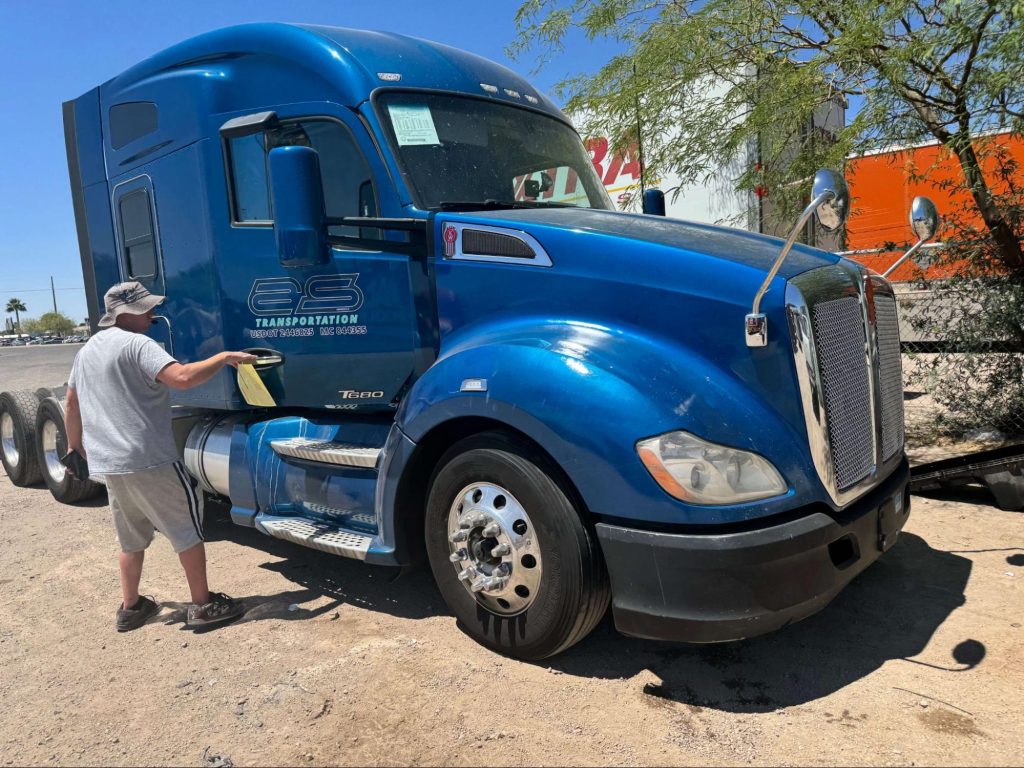
When to Escalate or Consider Moving Your Truck
If your truck has been sitting in the shop for longer than expected, it may be time to escalate or even move your truck to a different facility.
Signs It’s Time to Escalate or Move Your Truck
- Lack of Progress: If the repair hasn’t started or is taking longer than expected without a valid reason, it may be time to discuss other options.
- Unclear Timeline: If you’ve been given a vague repair timeline or no timeline at all, it’s time to ask for clarity.
- Repeated Missed Deadlines: If the shop repeatedly fails to meet promised deadlines, consider moving your truck to another repair facility that can meet your timeline needs.
What You Can Do
- Escalate Within the Shop: Speak to the manager or supervisor to get a clearer answer.
- Look for Alternative Shops: If delays continue and you’re not satisfied with the response, you can consider having your truck moved to another repair facility that can meet your timeline needs.
Get Back on the Road Faster with Phoenix Heavy Towing and Repair
At Phoenix Heavy Towing and Repair, we understand that time is money, and delays in repairs can be frustrating. That’s why we maintain an extensive parts inventory and have direct OEM relationships to minimize your wait time. Whether you need a minor fix or a major overhaul, we prioritize quick turnaround times to get you back on the road as fast as possible.
We proudly serve areas like Buckeye, Laveen, Wickenburg, and Quartzsite, ensuring that truckers across Arizona can rely on us for efficient service, day or night. Don’t let repair delays cost you more—ask us about our average repair turnaround time and how we can help reduce your downtime.
Need help right now? Fill out our service request form, and our team will assess your situation and get you back on track quickly. Let Phoenix Heavy Towing and Repair be your trusted partner for all your truck repair needs.
Frequently Asked Questions
1. Why do truck repairs take so long?
Repairs can take longer due to parts availability, the shop’s workload, and approval processes for warranties or insurance claims. Additionally, complex repairs may require specialized technicians and equipment, which can add time.
2. Can I speed up my truck repair?
You can speed up the process by confirming parts availability, ensuring all necessary approvals are in place, and asking for regular progress updates. Also, consider a shop with an extensive inventory to minimize delays.
3. How do parts availability issues affect repair times?
If parts are not in stock, especially OEM parts, they need to be ordered, which can lead to significant delays. Shops may also face supply chain disruptions that affect availability, particularly for specialized truck components.
4. What role does the shop’s workload play in repair delays?
The shop’s existing workload determines when they can start on your truck. If they’re busy with other repairs, your truck may have to wait in line, especially if specialized technicians are needed for your specific repair.
5. How can I tell if a shop is unnecessarily delaying my repair?
Look for red flags like lack of transparency, missed deadlines, and poor communication. If you don’t receive clear updates or explanations for delays, it may indicate inefficiency or mismanagement.
6. When should I consider moving my truck to another shop?
If the repair is taking longer than expected without a clear timeline or explanation, or if there’s a repeated failure to meet deadlines, it may be time to escalate or consider transferring your truck to a different repair shop.